Trade Wars Spread from Maine Lobster Boats to Irish Whiskey Distilleries
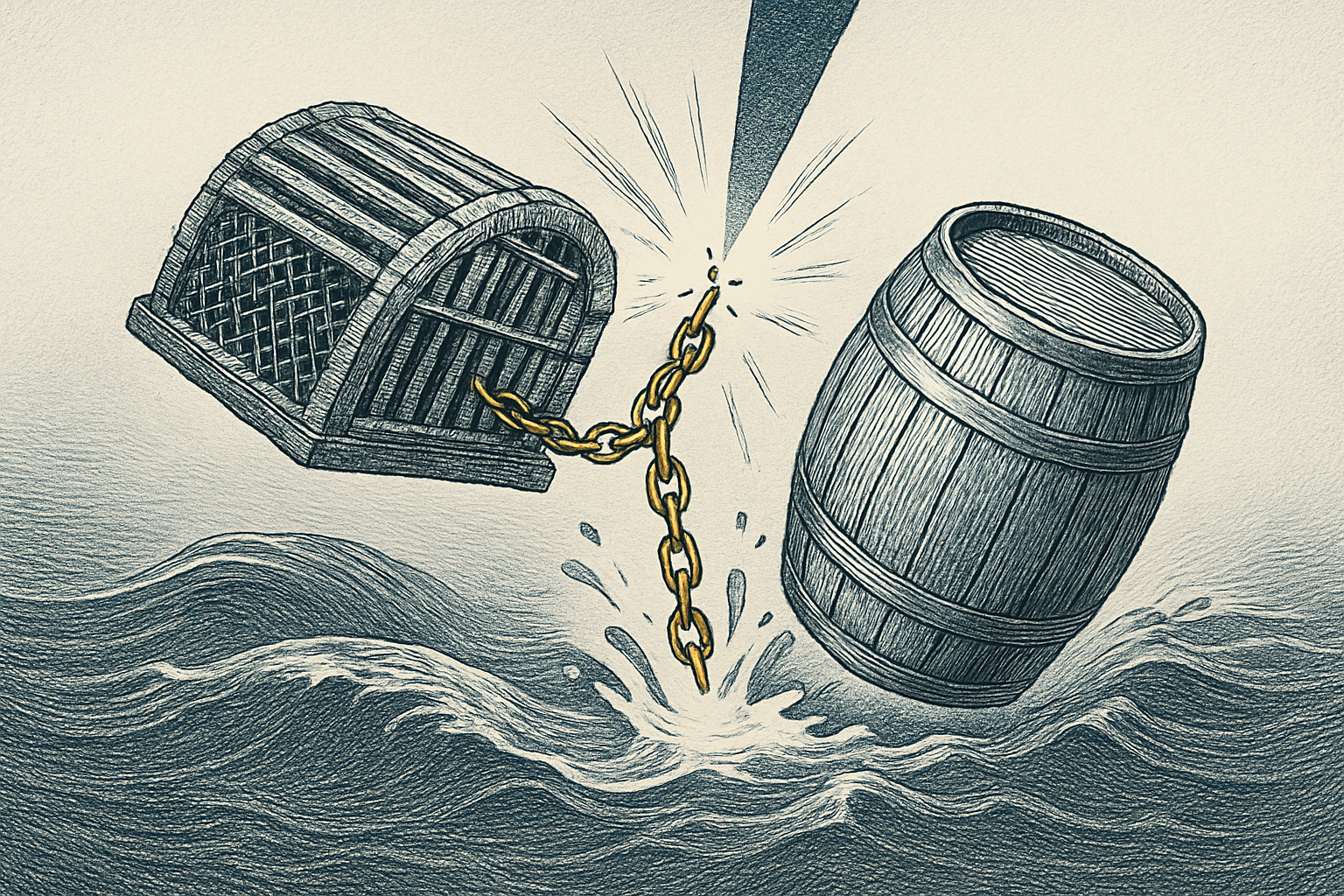
President Trump signaled a rare tariff reprieve on Sunday, announcing plans to lift duties on Irish whiskey during a visit to Ireland. Speaking at what appeared to be a golf course event, Trump praised the country's hospitality before delivering the trade news, according to The Hill. The move stands out against an otherwise escalating global tariff environment and may reflect the administration's willingness to use targeted relief as diplomatic currency.
On the domestic front, the trade war with Canada is taking a painful toll on one of America's most storied industries. Maine's lobster sector is getting squeezed from multiple directions, according to The Hill — rising diesel costs driven by the Iran conflict are compounding the pressure from Canadian trade friction, leaving fishing communities in a precarious financial position. Congressional infighting has so far prevented any meaningful relief, and industry leaders warn that the damage could be lasting if conditions don't improve soon.
The broader US-Canada trade clash is also drawing concern beyond economics. Analysts writing in The Hill warn that the rift risks weakening the North American alliance at a moment when NATO itself is already under strain. The geopolitical stakes, they argue, extend well beyond tariff schedules and supply chains — touching on collective security arrangements that have underpinned Western stability for decades.
Meanwhile, the White House is working to tamp down anxiety about an escalating confrontation with the Federal Reserve. Kevin Hassett, director of the National Economic Council, pushed back Sunday on concerns that Trump's pressure campaign on interest rates could spill into trade policy. "I don't expect the trade's going to go to zero," Hassett told reporters, according to The Hill, while acknowledging that the president holds firm views on rate policy. The comments came after Trump suggested he could weaponize tariffs as leverage against the Fed — a prospect that rattled markets last week.
Taken together, Sunday's developments illustrate the dual nature of the current tariff environment: targeted relief for strategic or political allies on one hand, and deepening pain for domestic industries caught in larger geopolitical disputes on the other. For businesses and importers still navigating the IEEPA refund process following the Supreme Court's February ruling in Learning Resources, the shifting political winds serve as a reminder that tariff exposure remains a moving target.
What to Watch — Congressional negotiators are expected to resume talks this week on emergency relief for agricultural and fishing industries hit by the Canada dispute; any deal could set a precedent for how other tariff-affected sectors seek compensation outside the courts. The Fed's next policy meeting is also on the horizon, and any further public pressure from the White House could reignite fears of a trade-monetary policy collision. Separately, the administration has not yet provided a timeline or formal mechanism for the Irish whiskey tariff rollback, so trade lawyers will be watching for an executive order or USTR announcement in the coming days.
— The Tariff.news desk