Tariff Refund Battles Heat Up as Retailers and Importers Push Back
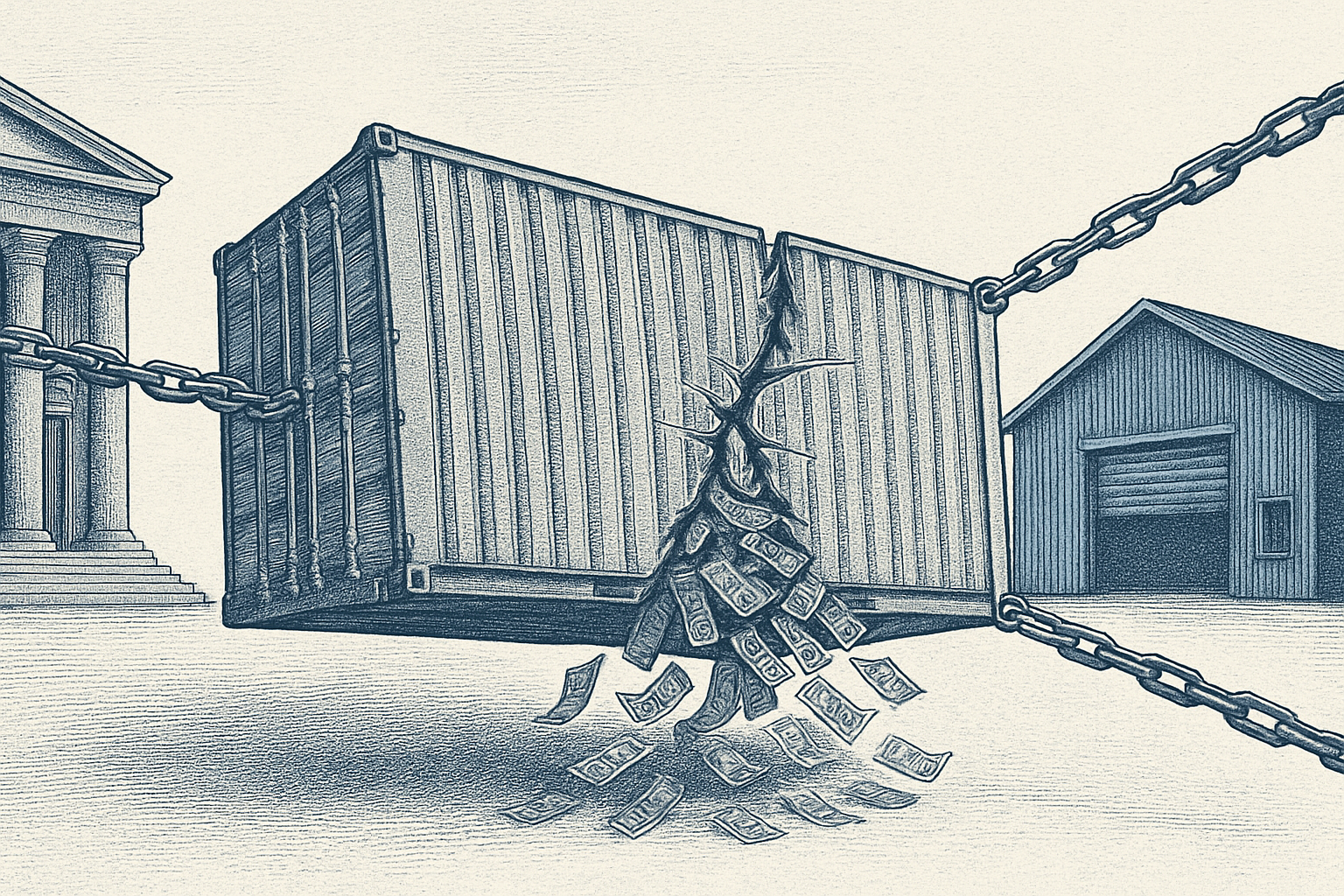
The most consequential development for tariff.news readers today comes from the legal front, where major retailers including Amazon and Costco are actively opposing centralized court proceedings that would consolidate IEEPA tariff refund claims against the U.S. government, according to CFO Dive. The companies' resistance suggests the post-Learning Resources refund landscape is becoming a contested legal battleground, with corporations weighing the risks of unified proceedings against fragmented individual suits.
Adding crucial procedural context, a detailed analysis from Ward and Smith, P.A. (via Google News) walks through the mechanics of what comes next for importers seeking refunds following the Supreme Court's Learning Resources ruling. The piece covers liquidation timelines, the protest process at Customs and Border Protection, and how claimants can position themselves to recover IEEPA tariffs paid before the decision. For any importer with money on the line, this is required reading.
On the broader trade policy front, The Hill reports that Trump's aggressive tariff strategy may have inadvertently strengthened the World Trade Organization. Rather than sidelining the WTO entirely, analysts suggest Trump's bilateral deal-making could push the institution toward a new role — consolidating and legitimizing agreements negotiated outside traditional multilateral channels. It is a counterintuitive outcome that trade watchers are beginning to take seriously.
Congress is also showing renewed appetite for reining in executive trade authority. Writing in The Hill, Professor Richard Davis argues that a future Democratic majority should pursue both impeachment and structural reforms targeting presidential powers over tariffs, pardons, and war-making. The piece reflects growing academic and political momentum to codify post-Learning Resources limits on IEEPA use into durable constitutional guardrails.
On the sanctions and tariffs overlap, President Trump signed the Lindsey Graham Russia Sanctions Act into law, according to The Hill. The legislation authorizes additional sanctions and tariffs against Russia tied to the ongoing war in Ukraine. The move signals that tariff authority, even after Learning Resources, remains a live instrument in U.S. foreign policy — particularly when packaged as congressionally authorized sanctions rather than IEEPA emergency powers.
Separately, several articles flagged today under the refunds category by our aggregator cover immigration enforcement disputes — including an ICE officer's federal indictment in Minneapolis, a civil rights lawsuit over armed agents at polling places, and a Republican campaign ad featuring an ICE detainee release. These stories do not bear on tariff refund matters and appear to have been miscategorized.
What to Watch — Importers and legal teams should monitor the court filings around the centralization dispute involving Amazon, Costco, and other retailers, as a decision on whether IEEPA refund suits are consolidated could significantly affect how quickly claimants see any recovery. Watch also for CBP guidance on the protest and liquidation procedures outlined by Ward and Smith — formal agency deadlines could begin closing windows for some importers in the weeks ahead. On the legislative side, any committee movement on executive trade authority reform bills will be an early indicator of whether the post-Learning Resources political momentum translates into actual law before the midterms.
— The Tariff.news desk