Importers Push Courts for $166 Billion While Consumers Demand Their Cut
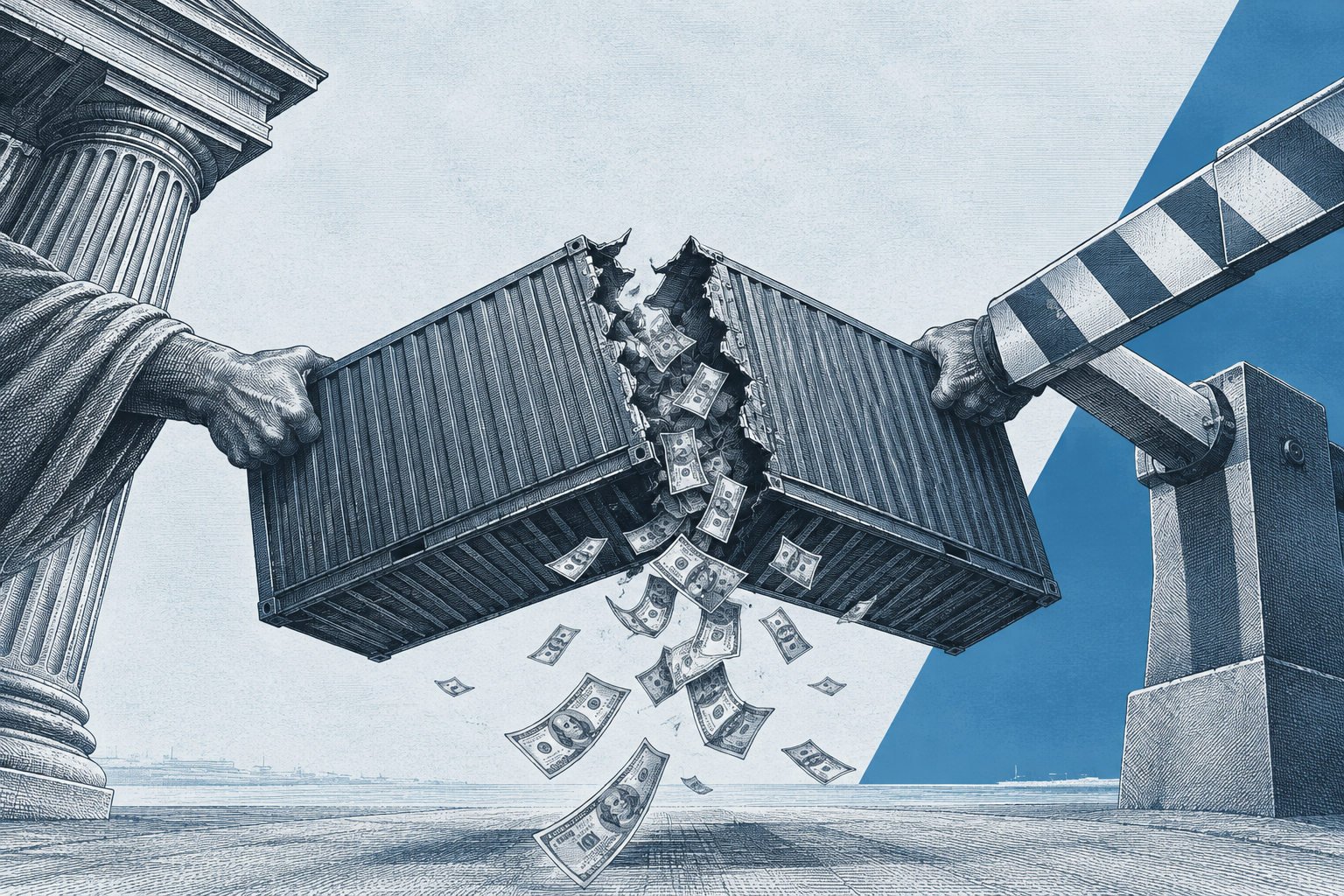
American importers moved closer to forcing the government's hand on universal tariff refunds Thursday, as legal pressure mounted on two fronts — both against the federal government and, increasingly, against the companies that collected higher prices from consumers during the tariff era.
The headline figure driving both battles is $166 billion. Importers are asking a federal court to compel the Treasury to issue refunds of that amount to the broader import community, following the Supreme Court's February ruling in Learning Resources, Inc. v. Trump that the IEEPA tariffs were unlawfully imposed. According to Fortune, importers have reached a significant procedural milestone in that effort, clearing a hurdle that brings a court-ordered disbursement closer to reality. A separate report from Startup Fortune confirms that importer groups have formally petitioned the court to force the refunds, framing the action as relief owed not just to named plaintiffs but to all affected importers across the country.
The scale of the claim reflects just how broadly the tariffs landed across the economy — and how complex the refund process has become nine months after the Supreme Court's decision.
Meanwhile, a parallel legal front is opening at the retail level. Home Depot shoppers have filed suit seeking a portion of tariff refunds the home-improvement giant is expected to receive, arguing that consumers — not just importers — absorbed the cost of the unlawful duties through higher prices and are therefore entitled to a share of any recovery. According to The Business Journals, Home Depot is not alone: other Atlanta-based companies are contending with similar suits from their own customers, suggesting the consumer-side litigation is becoming a broader trend rather than an isolated case.
The legal theory behind these consumer suits is untested and faces significant hurdles. Importers paid the tariffs directly to the government and are the named parties in most refund proceedings. Establishing that retail consumers have standing — or a contractual or equitable claim — to a downstream share of those refunds will likely require courts to navigate novel questions about pass-through liability and unjust enrichment. Defense attorneys for the retailers are expected to argue that any tariff costs embedded in consumer prices were a standard business decision, not a recoverable harm tied directly to the government's unlawful collection.
What to Watch: The court considering the importer petition for a forced $166 billion disbursement has not yet set a hearing date, but a ruling on whether to compel Treasury action could come in the coming weeks and would set a critical precedent for the pace and structure of refunds. On the consumer litigation side, watch for early motions to dismiss in the Home Depot case — how that court rules on standing will signal whether similar suits elsewhere survive. Any guidance from the Treasury Department on its voluntary refund timeline could also shift the legal calculus for both importers and retailers still weighing their options.
— The Tariff.news desk